


New Brunswick Heating Repair Checklist: 7 Issues to Spot Before You Lose Heat
Category: HVAC
Cold snaps in New Brunswick can arrive fast. If your system shows early warning signs, catching them now helps you avoid a no-heat night. Use this practical checklist to spot common heating issues and know when it is time to book professional help. If anything here sounds familiar, schedule a trusted heating repair service with Tavares HVAC before the next freeze.
Why This Checklist Matters For New Brunswick Homes
From Rutgers Village to Feaster Park and the Livingston Avenue corridor, winter lows and nor’easter winds put heavy strain on furnaces, boilers, and heat pumps. Older homes with baseboard or radiator heat and newer townhomes with high-efficiency furnaces can all run into problems when temperatures swing. Small symptoms often point to bigger concerns inside the system. Acting early protects comfort and safety.
The Weather Factor: How Central Jersey Winters Stress Your System
January and February bring long runs, frequent cycling, and big temperature swings. That extra workload exposes weak igniters, dirty flame sensors, failing blower motors, and airflow restrictions. If your heater struggles during a wind-driven cold front, it is telling you something important.
1) Cold Rooms And Uneven Heat
Consistent hot-and-cold spots across rooms in Society Hill or along Hamilton Street suggest airflow or distribution trouble. It could involve duct leaks, failing zone controls, or a blower that is not moving air as designed. Uneven heat also makes the system work longer than it should, which shortens equipment life.
2) Short Cycling Or Constant Running
Short bursts followed by quick shutoffs or a system that seems to run non-stop point to control or airflow problems. Misplaced thermostats, overheating safeties, or restricted return air can trigger these patterns. Left alone, they add wear and raise utility bills.
3) New Noises You Can’t Ignore
Banging, squealing, scraping, or persistent rattling signals parts under stress. That sound might come from a loose wheel, failing bearings, or an ignition sequence that is not clean. Catching noise early often prevents secondary damage and avoids surprise breakdowns on the coldest nights.
4) Smells That Signal Trouble
A sharp electrical scent can mean overheated components. A lingering smoky or burning odor may indicate residue on the heat exchanger after the first seasonal run, but if it persists, it deserves attention. And if you ever notice a sulfur or rotten-egg odor, treat it as urgent and get everyone to safety immediately. Do not attempt a fix yourself and contact emergency services and your utility from a safe location.
5) Pilot Light Or Ignition Irregularities
Modern furnaces rely on hot-surface or spark ignition. Repeated failed starts, frequent resets, or a flame that won’t stabilize point to sensor or gas delivery issues. On older systems, a weak or discolored pilot flame is a red flag. Never open sealed panels or attempt to relight without a professional.
6) Rising Bills With No Clear Reason
If your usage habits have not changed but your bill climbs, your system may be losing efficiency. Common culprits include weak combustion, poor airflow, or controls that are not communicating correctly. Efficiency losses are often gradual, which is why a steady month‑over‑month increase is worth attention.
7) Age, Maintenance Gaps, And Frequent Breakdowns
Systems near the end of their expected life tend to show repeating symptoms, especially during a New Brunswick cold spell. If service calls are stacking up or the same part keeps failing, you may be facing a deeper issue. A skilled HVAC tech can assess whether targeted repair will stabilize performance or if planning for replacement is the smarter path.
What To Share With Your Technician Before They Arrive
Clear details help your tech diagnose faster and get heat back sooner. When you schedule service, be ready to share:
- What you noticed first, such as new sounds, odor, or uneven heat
- Any recent service, filter changes, or part replacements
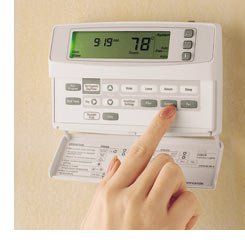
- Thermostat behavior, displayed error messages, or unusual cycling patterns
- Rooms that stay colder than others and when the issue occurs most often
Providing this history upfront saves time, reduces guesswork, and helps your pro target the real fault.
How This Plays Out In New Brunswick Homes
Consider a two‑story home near Buccleuch Park with cold bedrooms upstairs. A seasoned tech checks for duct balance issues, blower performance, and control settings. In a pre‑war house off Somerset Street with baseboard heat, persistent gurgling could point to circulation or air trapped in the hydronic system. Each scenario calls for proper tools and testing by a licensed professional, not trial‑and‑error at home.
When To Call For Professional Heating Repair
If your home is losing heat during a cold snap, if you detect unusual odors, or if safety devices are tripping, it is time to call a pro. For quick response and thorough diagnostics, schedule a visit with our local team. You can start with a same‑day appointment through our heating repair service page.
Smart Upgrades That Often Pair With Heating Repair
When a repair uncovers control issues, pairing the fix with modern controls can improve comfort and reliability. For better scheduling and more accurate readings, many New Brunswick homeowners choose updated thermostats that work well with today’s furnaces and heat pumps. If your system’s heat output is stable but your living room still runs cool, a targeted airflow review and minor distribution changes can make a big difference.
Common Myths That Can Cost You Heat
- Cranking the thermostat heats faster. The system delivers heat at a set rate, so extreme setpoints only risk overshoot and wasted energy.
- Closing vents in unused rooms saves money. Restricting too many vents can create pressure problems and trigger safety shutoffs.
Good information keeps you comfortable and protects your equipment. When in doubt, ask a pro to look at the whole system, not just a single symptom.
Realistic Expectations During Peak Season
During back‑to‑back cold fronts, parts availability and service windows can tighten across Middlesex County. Technicians prioritize homes with no heat or safety concerns first. If your system is still running but showing symptoms, scheduling early in the week or before a forecasted storm can help you secure faster service. Plan ahead when the forecast dips sharply.
How We Diagnose And Stabilize Heat Fast
Effective heating repair starts with verifying what the thermostat is calling for, confirming safeties, and checking airflow and ignition sequences. From there, targeted testing isolates sensors, controls, and motors. Once the fault is confirmed, a proper fix restores safe operation and consistent comfort. If deeper issues surface, we will explain options clearly so you can choose a path that fits your home and timeline.
Thinking About The Furnace Itself?
If your tech identifies a component or combustion issue, you can learn more about the equipment side here: explore our furnace repairs page for system types and support. The goal is simple: stable heat, safe operation, and a plan to prevent repeat problems.